When your research leaves the lab and enters the field, accuracy becomes the foundation of every insight. Whether you’re studying ecosystems, coastlines, caves, bathymetry, erosion, or something else, precise location data ensures your measurements are meaningful, repeatable, and defensible. Our GNSS receivers give researchers like you the confidence to collect geospatial data anywhere — from remote islands to urban watersheds — without sacrificing accuracy or flexibility. Eos GNSS receivers integrate seamlessly with the tools you already use, from mobile apps to sensors and drones, so your workflow stays focused on science, not hardware limitations. Built for rugged environments and adaptable to diverse methodologies, they help you associate high-accuracy positions with any dataset — even in challenging conditions. The result? Reliable data that supports long-term monitoring, validates models, and turns field observations into actionable knowledge. Wherever your curiosity takes you, our GNSS solutions keep your research grounded in precision.

High Accuracy, Anywhere
Wherever your field work takes you, our GNSS receivers have a solution to provide high accuracy. Moreover, our teams will help you identify the most cost-efficient solution for your project’s needs.
Training-Friendly Hardware
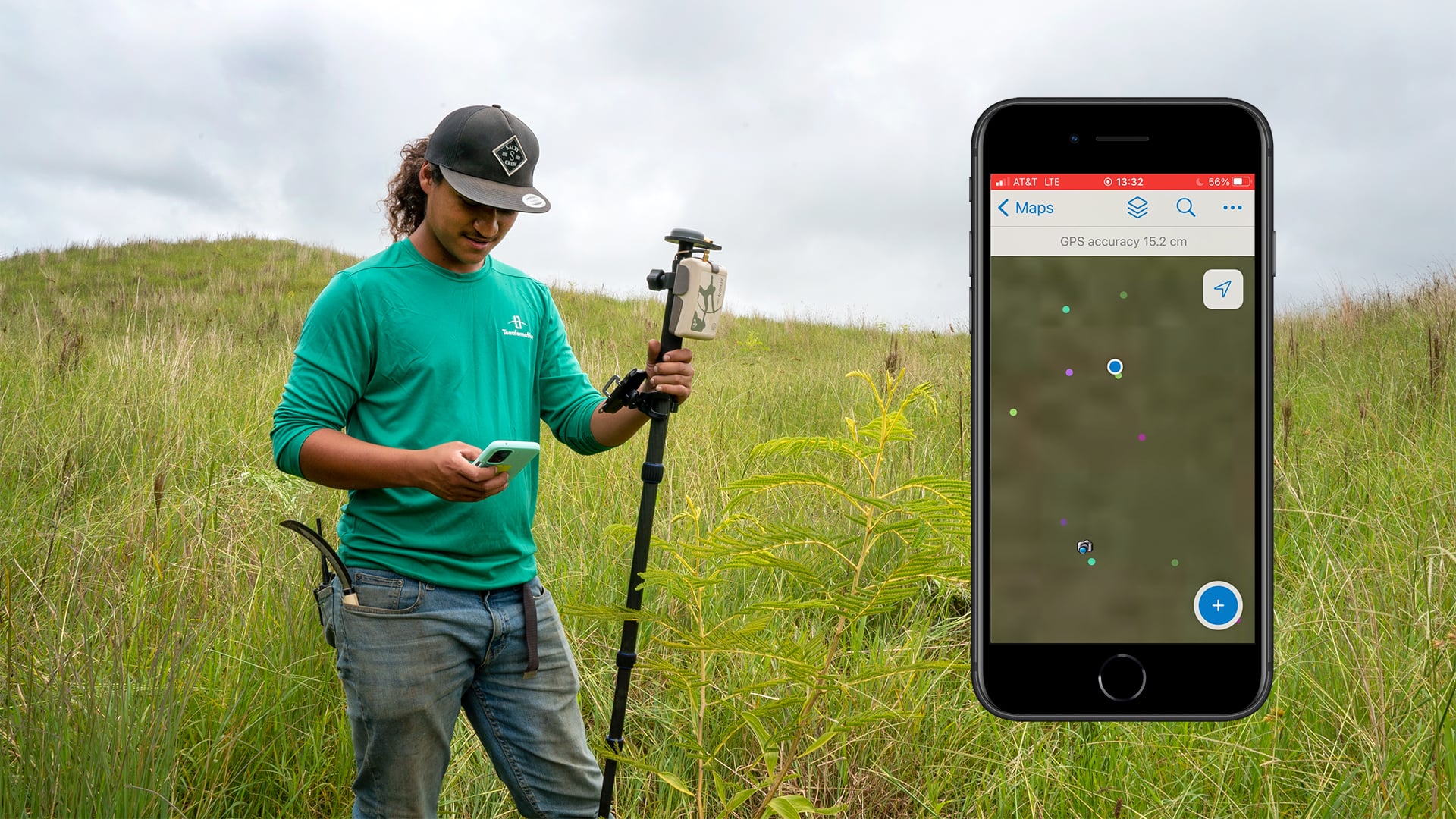
Multi‑device Bluetooth® connections and familiar mobile apps make student and volunteer training fast, whether you’re mapping invasive species on Catalina Island or running a beach‑survey crew.
App Agnostic, BYOD Friendly
Our receivers work with any iOS®, Android™, or Windows® device and any field app (including ArcGIS Field Maps, Survey123, custom apps, and partner tools), so your workflow meets the study — not the other way around.
Built for the Field
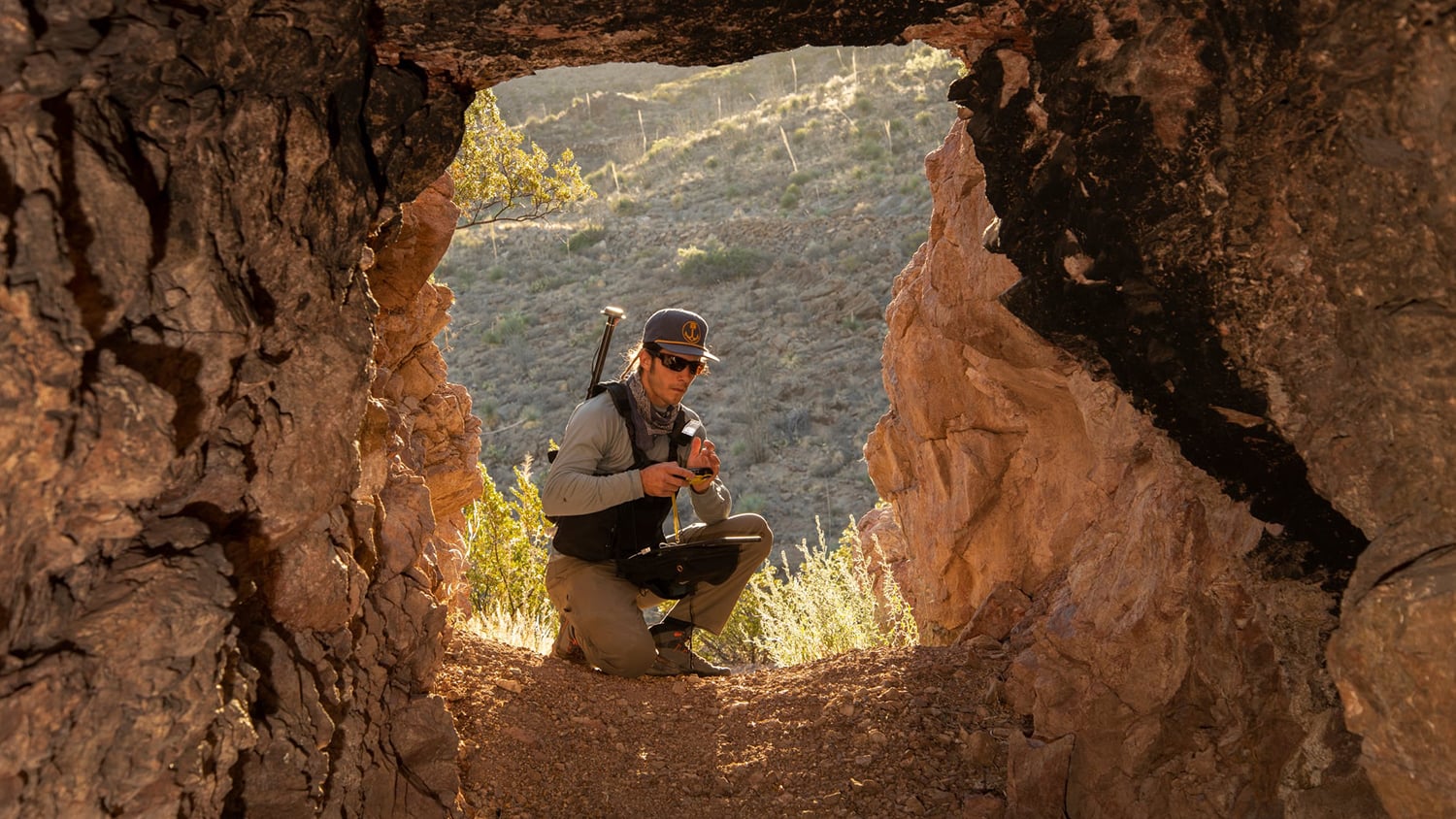
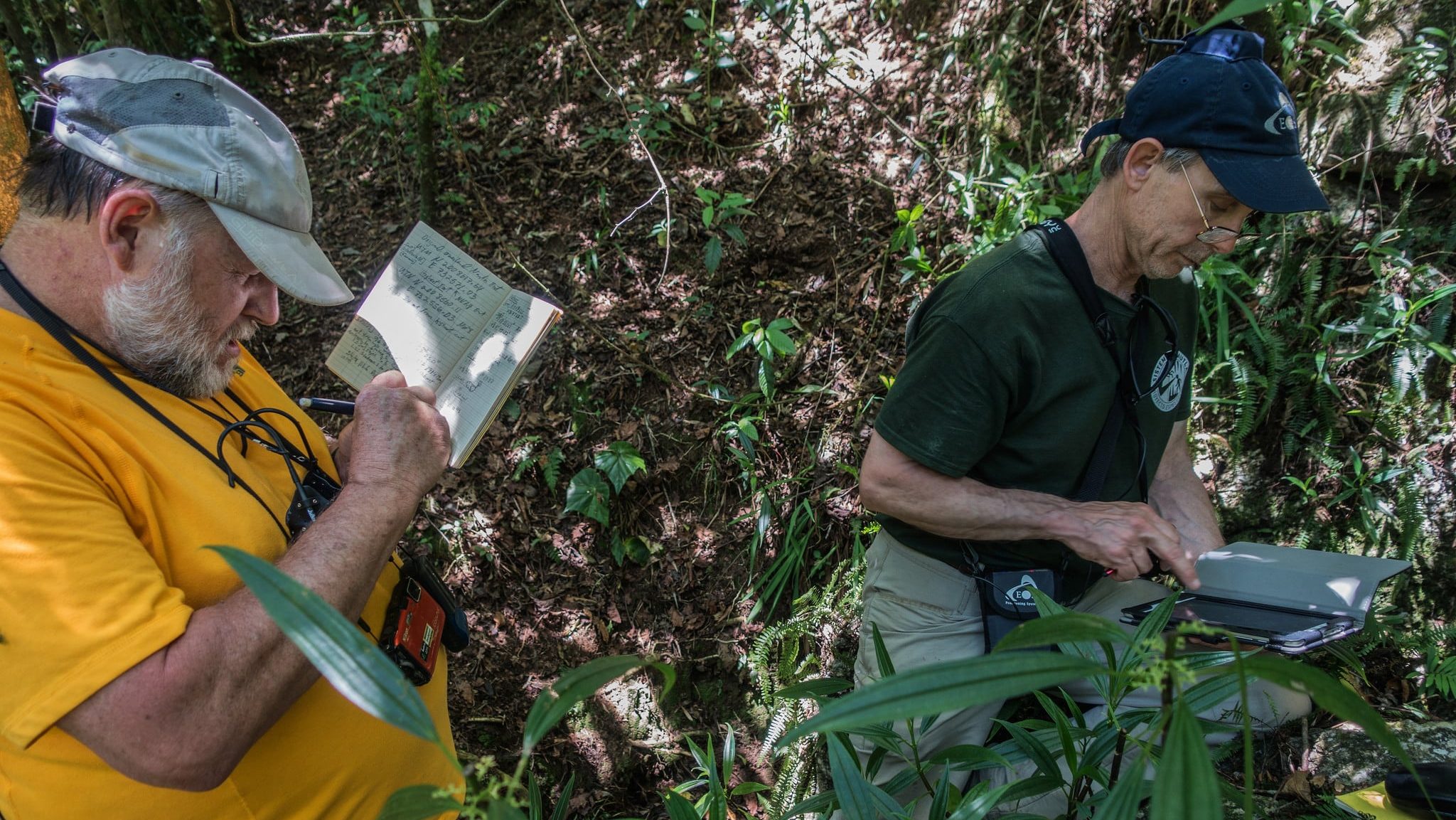
From surf zones to glaciers to jungles, researchers report reliable, repeatable results — validating cave surveys, guiding restoration plots, and building long-term ecological baselines.
GNSS that Keeps Up with Curious Minds
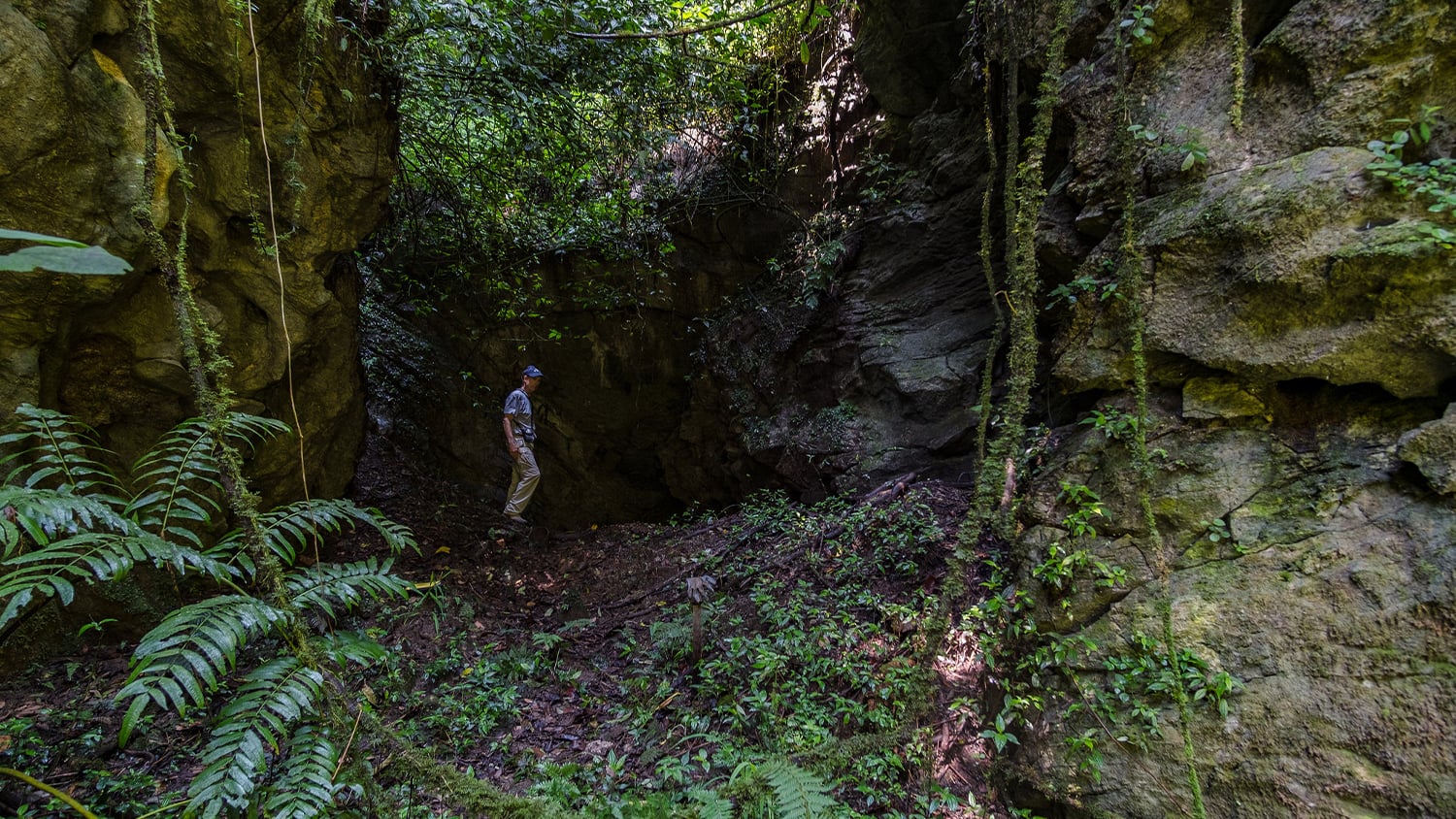
If your study site refuses to sit still, your positioning shouldn’t either. Eos GNSS receivers have a habit of tagging along with curiosity — flying under drones to stitch crisp orthos, riding USVs through volcanic calderas, and threading canyon trails where GPS alone falls short. They help you chase kelp‑forest sand subsidies across seasons, prove whether a beaver‑dam analog actually slows incision, and turn “interesting EM spike” into “verified groundwater sample.” They’ll find a cave entrance hidden by rainforest and still play nice with your go‑to apps, your field tablet, and that specialty sensor you swore would never talk to anything. And when there’s no cell coverage and no base station in sight, Galileo HAS has your back — because the pursuit of evidence shouldn’t stop at the edge of the map.

Entities Using Eos GNSS Receivers for Research Projects




Featured Success Story

The First All-Canadian Antarctic Expedition Uses Galileo HAS and Eos GNSS to Map Underwater Features
Discover how the first all-Canadian Antarctic research expedition achieved high-accuracy underwater mapping using the Arrow Gold+ and Galileo HAS — all in one of the world’s most remote, RTK-free environments.
More InfoEven More Research Case Studies

Ontario Ph.D. Student Researches the Impact of Urban Runoff on Lake Ontario with Help from GNSS
To measure groundwater salinity along the Lake Ontario shoreline, a Ph.D. student uses Skadi 100 and Arrow 100 alongside an EM conductivity meter and ArcGIS.
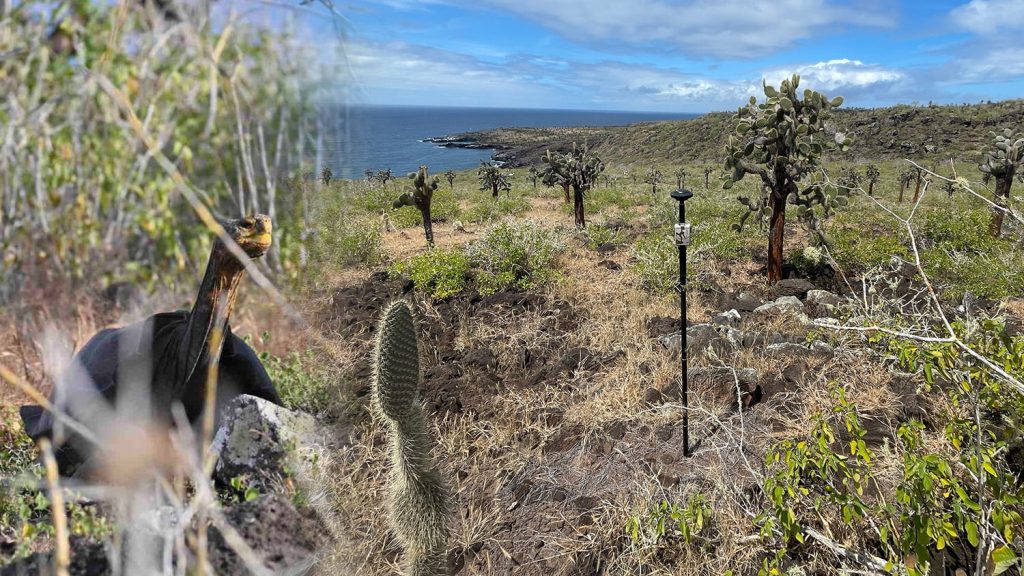
Do Giant Tortoises Make Good Neighbors?
Charles Lehnen uses brand-new Galileo HAS corrections with the Arrow Gold+ in the Galápagos archipelago. His work will study Santa Fe Island’s rewilding.

Customer Spotlight: Delaney Hanson Builds GNSS Skills With Hands-On Environmental Mapping
Delaney Hanson gained hands-on GNSS and GIS experience by mapping invasive species on Catalina Island while using the Arrow 100 with ArcGIS Field Maps.
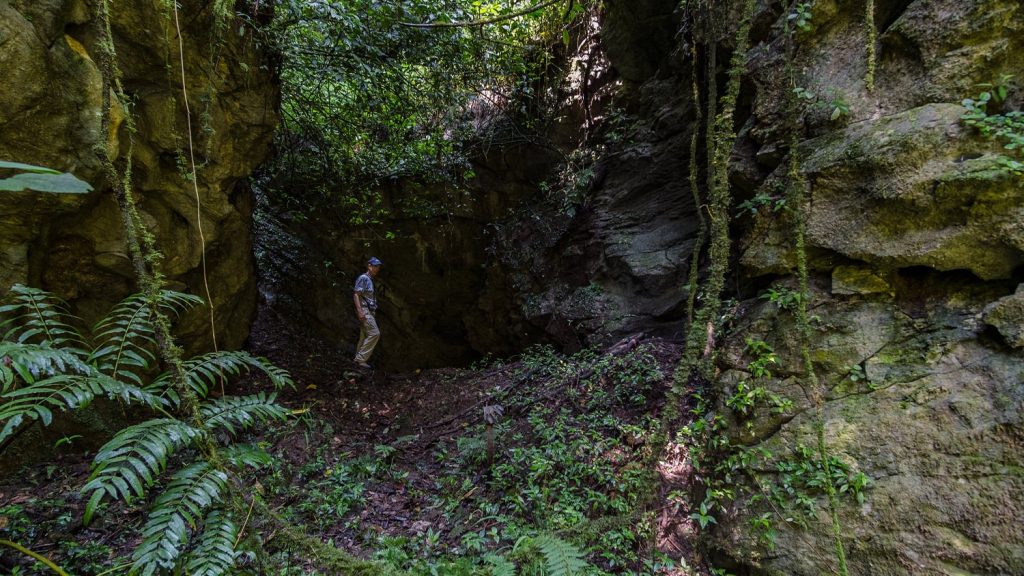
Mapping The Western Hemisphere’s Deepest Cave with High Accuracy
PESH is on a mission to explore and map México’s Sistema Huautla. The Arrow 100 GNSS receiver is helping them prove their survey findings.

Customer Spotlight: Jerry D. Davis Masters Meadow Restoration with High-Accuracy Maps
Jerry D. Davis and his team at San Francisco State University restore and monitor fragile montane meadows in part thanks to high-accuracy GNSS and nature-based solutions.
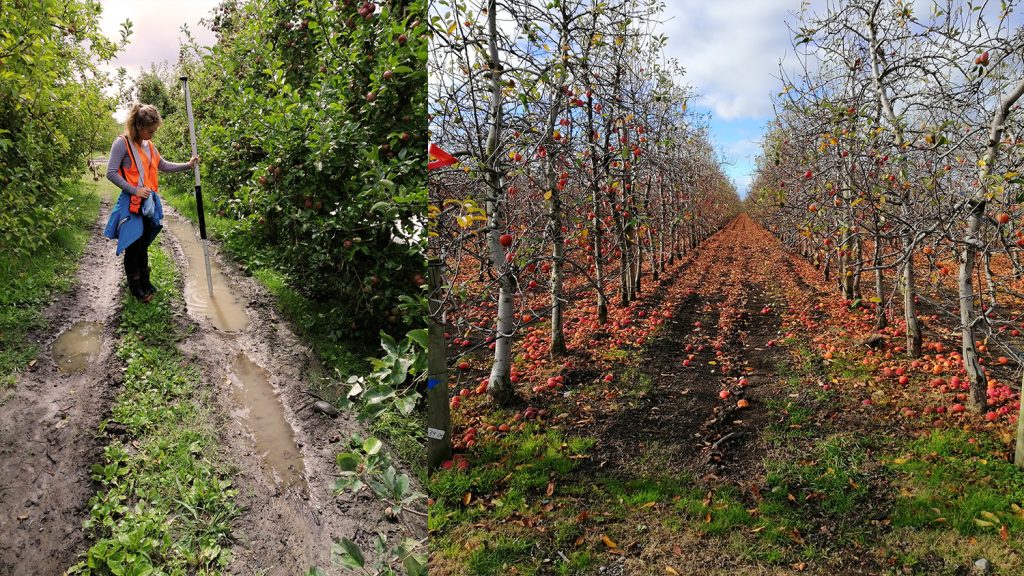
New Zealand Org Tracks Orchards Re-levelling Success
A NZ agricultural research team uses Arrow 100 w/ Australian-New Zealand SBAS to get 30cm accuracy among 5m-tall trees. Their work may change orchard ops.
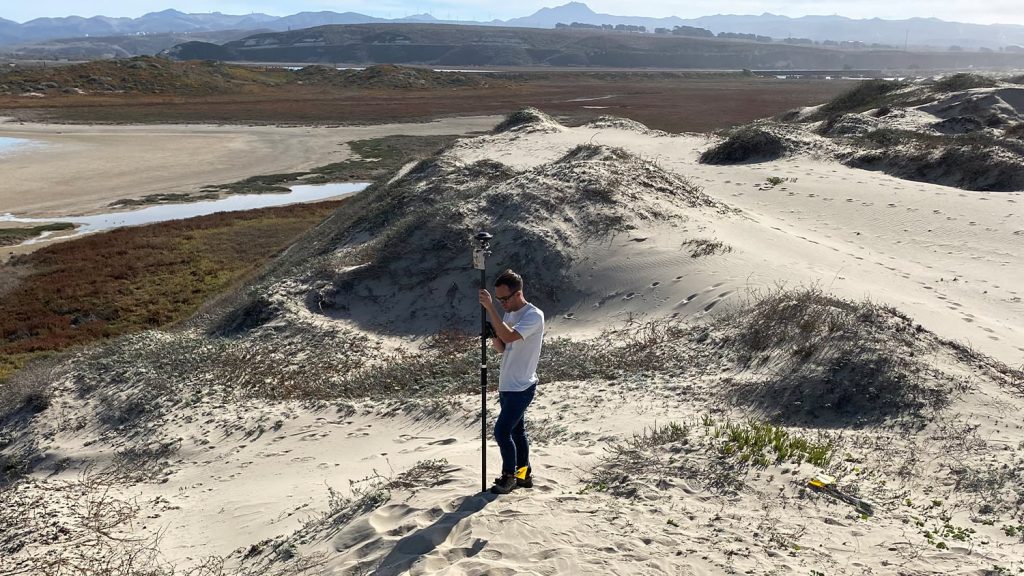
Beyond the Tide: Tracking California’s Coastal Change with High-Accuracy Maps
To enable more accurate predictions about sea level rise, Dr. Kyle Emery is piloting a drone, GNSS, GIS, and satellite imagery workflow.
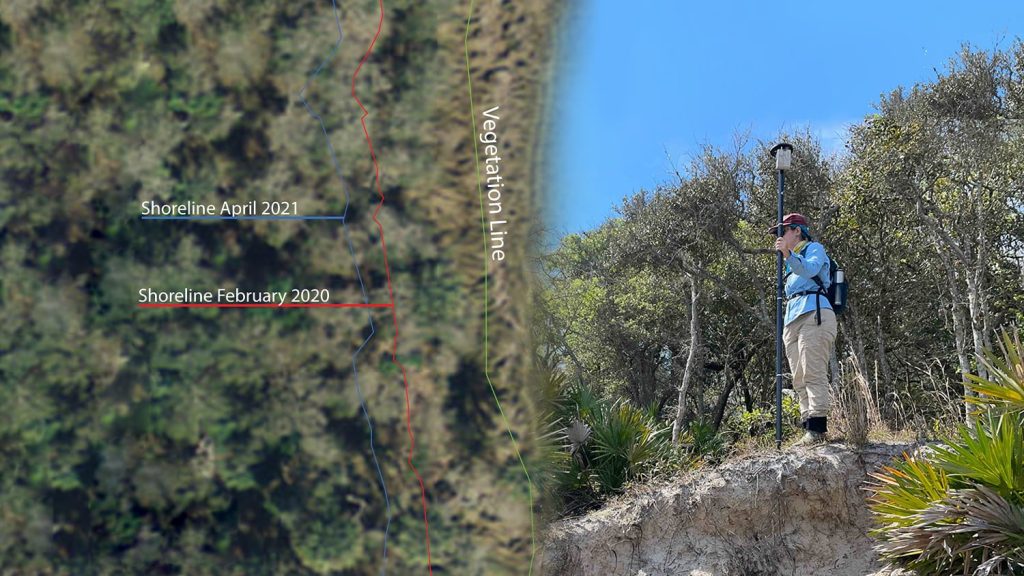
Slipping Seaside: Preserving Florida’s Past By Mapping Erosion with GNSS
FPAN archaeologists and volunteers map historical sites and coastal erosion (in 3D!) to quantify erosion rates as Florida’s sea levels rise.
What Researchers Say About Eos GNSS Receivers
Researchers in the Field with Eos GNSS Receivers